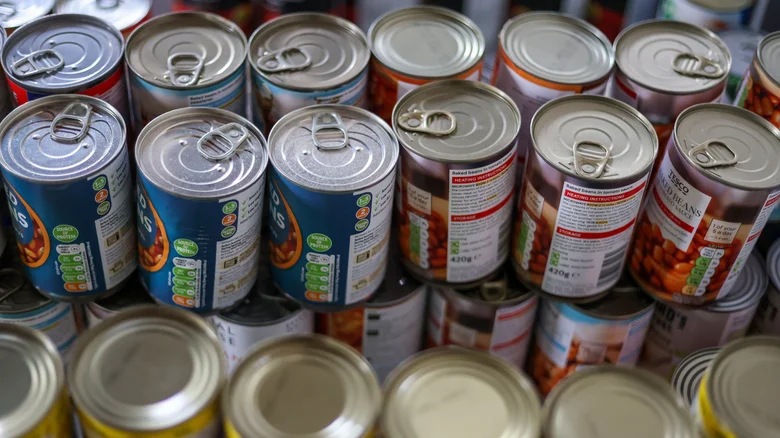


The Damaged Cans Dilemma: A Real Food Safety Case from the Field
How should food safety professionals evaluate dented cans, rust, and leakage in real warehouse operations? This case study explores a real-life decision involving damaged canned food, risk assessment, and practical quality management.
In food safety, some situations look small at first… but the decision behind them is anything but simple. Issues like dented cans, rusted cans, or leaking canned food are common in warehouses and distribution centers. However, the decision to accept or reject a shipment is rarely straightforward.
I remember a situation when we were managing a temporarily rented warehouse used to store food products before distribution. It was not a permanent facility, just a logistical solution at the time. Inside the warehouse we had several canned products:
- Tomato sauce
- Fava beans
- Tuna
At the same time, another activity was taking place in the warehouse: kitting — assembling several products, including these canned items and other goods, into distribution cartons. This meant that a problem with one product could affect several others. And that’s where the dilemma started.
The First Signs
- Some cans had dents
- Some cans showed light rust
- A few cartons were wet or stained with sauce
When we opened several cartons, the situation became clearer. Some cans had leaked tomato sauce, which had spread inside the carton and stained other products stored together. At that moment, the issue was no longer just about a damaged can. The real question became: Is this shipment even suitable for the kitting process?
Why Damaged Cans Matter in Food Safety
- Air
- Moisture
- Bacteria
- External contamination
When a can suffers mechanical damage, that protective barrier may be compromised. In low-acid canned foods, there is even a theoretical risk of bacteria such as Clostridium botulinum, which can cause botulism. What makes this organism particularly dangerous is that it can grow without obvious changes in taste or smell. Damaged cans are not merely cosmetic — they can become a food safety risk.
But Not Every Dented Can Is Dangerous
- Reject everything
- Or accept everything
Reality is more nuanced. We evaluated packaging defects based on severity categories to make decisions more objective and risk-based.
Category A – Critical Defects
- Leaking cans
- Swollen cans
- Punctures or holes
- Evidence of spoilage
Category B – Major Defects
- Severe dents near the seams
- Advanced rust
- Deformation that may affect the seal
Category C – Minor Defects
- Light surface scratches
- Small dents away from seams
- Minor surface corrosion
The Real Problem Was Not the Cans
- Excessive pressure on cartons during transport
- Some cartons falling during handling
- Rough warehouse handling
These factors caused denting of cans, sauce leakage, and staining of cartons and nearby products.
Kitting Made the Situation Worse
Because the warehouse was performing kitting, the situation became more complicated. Stained cartons were unacceptable for distribution. Appearance, hygiene perception, and operational practicality all mattered.
The Decision
- Segregate heavily damaged cartons
- Reject cans with leakage or clear rust damage
- Reinspect and clean affected cartons
- Accept only cans with minor dents away from seams
The Lesson for Food Safety Professionals
- What is the level of risk?
- What is the most responsible decision in this context?
Good quality management means understanding the full picture and making the best professional decision.
References
Belal Abdelfattah
Food Safety & QA Professional | Field Experience
